E1DA
E1DA 9038D6K
Last updated August 12, 2026
We may earn an affiliate commission from links on this page — this never affects our picks. Read our full affiliate disclosure.
A pocket-sized USB DAC/amp built around the ES9038Q2M chip, with every unit individually calibrated.
Official product pageOverview
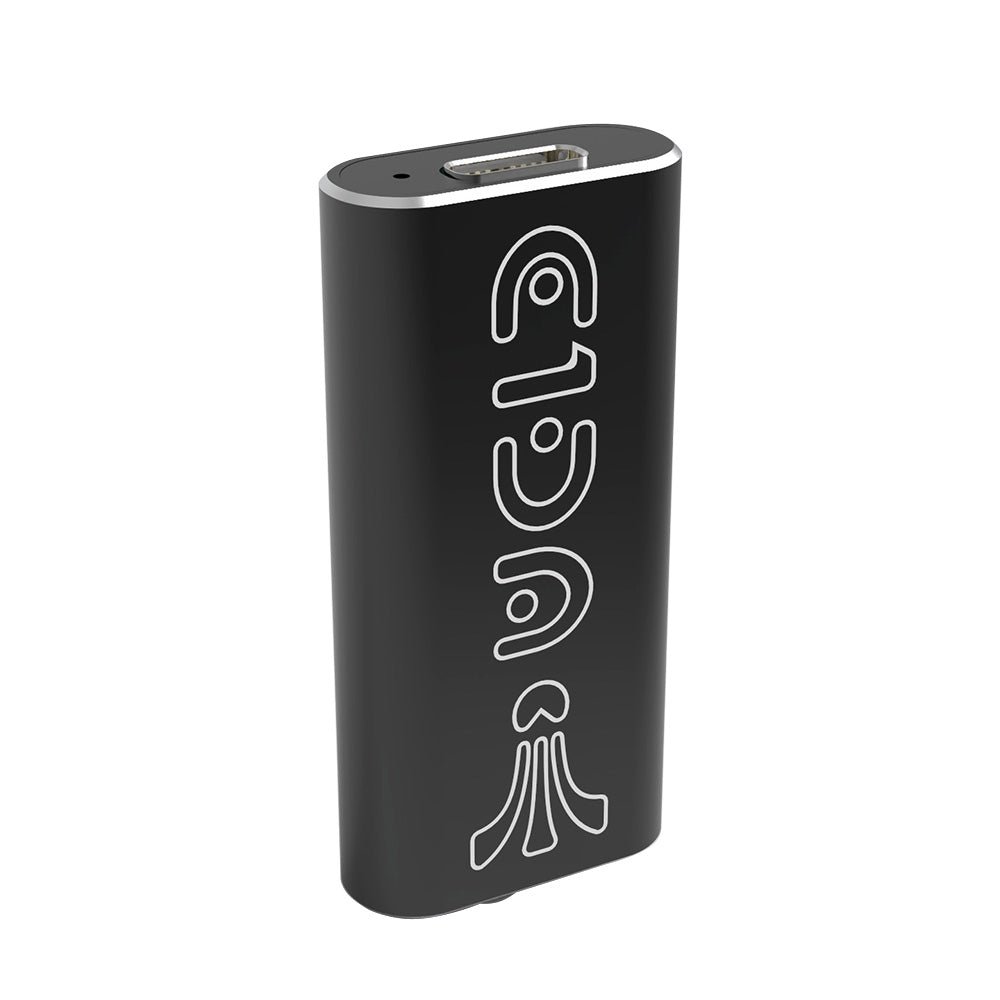
The 9038D6K is a USB-powered portable DAC/amp using an ES9038Q2M chip with OPA1622/OPA1602 op-amps, weighing 12g in a 48x22x9mm sandblasted black anodized aluminum case with laser-engraved specifications. It has hardware volume control in 0.5dB steps, supports PCM up to 32-bit/384kHz and DSD256, and every unit is individually calibrated with its results printed on the case.
Pros
- ES9038Q2M DAC chip with OPA1622/OPA1602 op-amps in a 12g, 48x22x9mm portable form factor
- USB-powered with no internal battery to degrade over time
- 180mW @ 32Ω output power with hardware volume control in 0.5dB steps
- Every unit individually calibrated with results printed on the case
Cons
- E1DA's own documentation notes potential audible noise near LTE/4G/5G radios due to a highly sensitive I/V stage
- Some 2020+ laptops may need a manufacturer firmware fix for USB3 compatibility
- 3.5mm single-ended output only — no 4.4mm balanced option
Specifications
- DAC Chip
- ES9038Q2M
- Dimensions / Weight
- 48 x 22 x 9mm, 12g
- Connectors
- USB-C input, 3.5mm unbalanced output
- Output Power
- 180mW @ 32Ω; 120mW @ 16Ω (1kHz, THD=1%)
- Frequency Response
- 5–80kHz +0.05/−1dB @ 32-bit/384kHz
- SNR/DR
- 126dB(A) typical (2.75Vrms reference)
- THD+N
- <0.0001% typical @ 24-bit/44.1kHz (no load)
- Audio Format Support
- PCM 32-bit/384kHz; DSD256
FAQs
Does it have a built-in battery?
No — it's USB-powered directly from the connected source, with no internal battery.
Does it support balanced output?
No — it has a 3.5mm single-ended output only.
Is there a known compatibility issue?
E1DA notes some 2020-and-newer laptop models may need a firmware fix for USB3 compatibility, and the sensitive I/V stage can pick up audible noise near LTE/4G/5G radios.